
Land Ready for Construction Staging
Lot Clearing & Site Preparation in Manson for building sites that require complete vegetation removal and rough grading
When your property needs every tree, stump, and root system removed to create a blank canvas for construction, building lot clearing eliminates obstacles that prevent excavation, foundation work, or utility installation. Skram Hydro Seeding and Land Management provides lot clearing and site preparation in Manson for residential builds, commercial projects, and agricultural structures where the land must be stripped to bare soil. After the work is finished, you will see level ground free of stumps and debris, with rough grading completed so water drains away from the future building footprint and equipment can access the site without obstruction.
The process removes all standing vegetation, grinds or extracts stumps and root systems, and hauls debris off-site so construction can begin without delays caused by buried roots or uneven terrain. Rough grading shapes the site to direct runoff and establishes access routes for heavy equipment, while debris removal ensures nothing interferes with foundation excavation or utility trenching.
Request a site evaluation to review clearing limits, grading requirements, and debris disposal timelines based on your construction schedule.
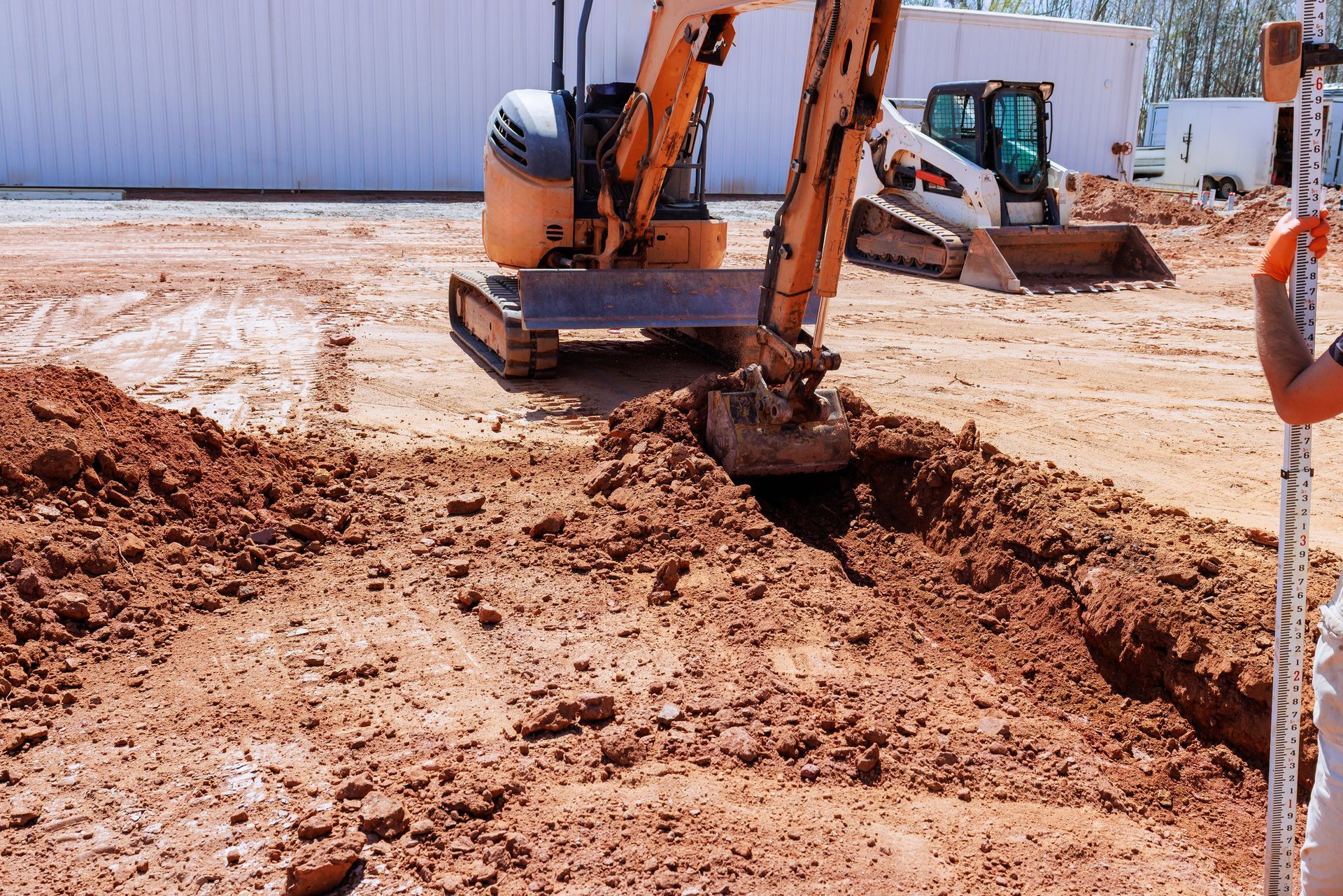
How Site Preparation Addresses Construction Obstacles
Lot clearing begins with felling and removing all trees within the designated build area, followed by stump grinding or full extraction depending on whether underground utilities will cross root zones. Heavy machinery grades the cleared land to establish positive drainage away from the building pad, breaking up compacted soil layers and redistributing fill to eliminate low spots where water would otherwise pool during construction. Debris including root balls, logs, and vegetation is hauled to disposal sites rather than buried on-site, preventing future settling issues or interference with septic systems and foundation drains.
Once clearing and rough grading are complete, the site will support concrete trucks, framing deliveries, and excavation equipment without rutting or access problems. Skram Hydro Seeding and Land Management ensures that building inspectors and surveying crews can establish accurate lot lines and foundation corners on stable, obstruction-free ground. You will notice that the cleared area drains visibly after rain events rather than holding standing water, and equipment can travel across the site without navigating around stumps or getting stuck in ungraded depressions.
Site preparation does not include finish grading, final landscaping, or installation of permanent drainage structures, which occur after construction is complete. The focus remains on removing vegetation and shaping land so building can proceed on schedule without delays caused by buried obstacles or poor site drainage during the construction phase.
Common Questions About This Service
Lot clearing involves multiple steps that affect project timelines and site readiness, so understanding what the service includes helps you coordinate with builders and utility contractors.
What is included in rough grading?
Rough grading reshapes the cleared site to establish drainage patterns away from the building pad and smooth out major elevation changes, but it does not create the precise elevations required for foundation forms or final landscaping, which are handled during finish grading after construction.
How deep are stumps removed during lot clearing?
Stump grinding typically removes wood and roots to twelve to eighteen inches below grade, which clears the way for most foundation work and prevents interference with underground utilities while avoiding the expense of complete root ball excavation unless construction plans specifically require it.
When should lot clearing happen relative to building permits?
Clearing is usually scheduled after permits are issued and lot lines are surveyed, ensuring that no protected trees or wetland buffers are disturbed and that clearing limits match approved site plans required by local building departments in Manson.
What happens to debris removed from the site?
Vegetation, stumps, and root debris are hauled to licensed disposal facilities or processing centers where wood is chipped or mulched, keeping material out of landfills and ensuring the construction site remains clear for subsequent trades without debris piles obstructing access.
How does soil condition affect site preparation?
Clay-heavy soils common in parts of North Carolina require additional grading attention to prevent water from pooling during construction, while sandy soils may need compaction along access routes to support heavy equipment without excessive rutting that delays material deliveries.
Skram Hydro Seeding and Land Management prepares building lots so construction can begin without vegetation, drainage, or access obstacles causing delays. Arrange a consultation to review your site plan and confirm clearing limits before work begins.