
Driveways Built for Seasonal Weather Changes
Gravel Driveway Services in Manson for properties needing durable, all-weather vehicle access
Gravel driveways provide stable vehicle access across properties where paved surfaces are impractical or unnecessary, but only when installed with proper base preparation and graded to shed water rather than trap it. Skram Hydro Seeding and Land Management installs, resurfaces, and maintains gravel driveways in Manson where soil conditions, budget constraints, or rural locations make gravel the preferred surface. After installation, you will notice firm footing that supports vehicles without rutting in wet weather, defined edges that prevent gravel migration into adjacent grass, and a crowned surface that directs water to the sides instead of pooling in the travel path.
The service includes excavating and grading the driveway path, installing compacted base layers where needed, delivering and spreading gravel to specified depth, and grading the surface with a crown to promote drainage. Resurfacing adds new gravel over existing driveways that have thinned or developed ruts, while maintenance regrading redistributes material and restores the crown after seasonal wear.
Arrange a site visit to measure driveway length, assess base condition, and calculate gravel volume for installation or resurfacing.
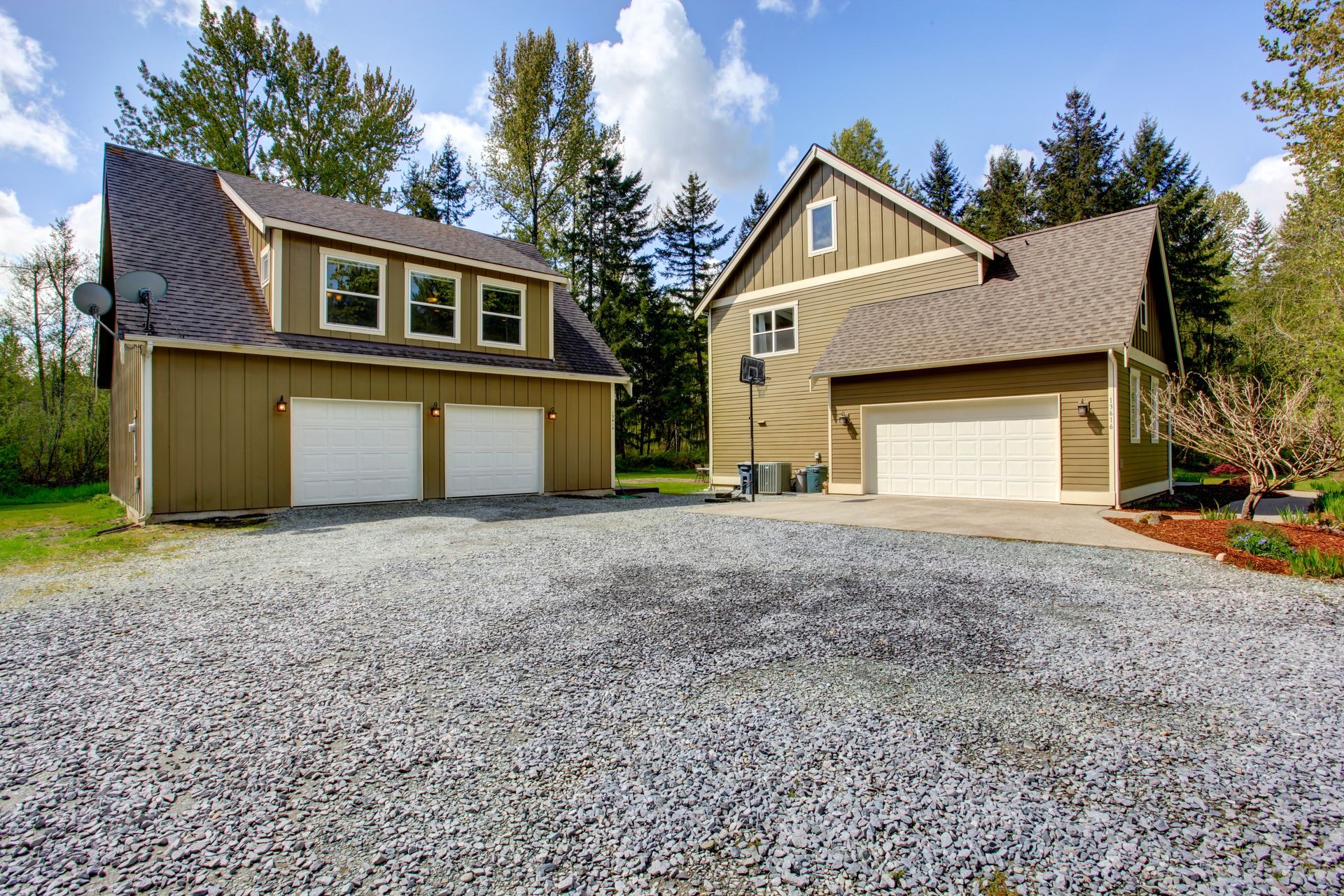
What Changes After Gravel Installation Completes
Gravel driveway installation begins with clearing vegetation and excavating soft or unstable soil that would allow the surface to sink under vehicle weight. A compacted base layer of crusher run or dense-grade aggregate is spread and graded to establish the driveway profile, then topped with a surface layer of gravel sized to lock together under traffic while still allowing water to percolate through. The driveway is crowned so the center sits slightly higher than the edges, causing rainwater to sheet off to the sides rather than running down the center and carrying gravel with it. Grading establishes positive drainage throughout the length, preventing puddles that soften the base and lead to rutting during North Carolina's frequent rain events.
Once installed, the driveway will support daily vehicle traffic without forming deep ruts, and you will notice that tires maintain traction even after heavy rain instead of spinning in mud or sinking into soft spots. Edges remain defined without gravel spreading into yards, and the surface stays level rather than developing washboard or potholes that require constant filling. A properly installed gravel driveway requires occasional regrading to redistribute material but avoids the chronic maintenance problems caused by inadequate base preparation or poor drainage.
Gravel driveway services do not include paving, concrete installation, or decorative stone surfaces, which involve different materials and construction processes. The focus remains on creating functional vehicle access using compacted aggregate that drains well and resists rutting under normal use.
What Property Owners Usually Ask
Gravel driveways perform differently depending on installation quality and material selection, so understanding these factors helps you maintain access and plan for periodic upkeep.
What type of gravel works best for driveways?
Crushed stone gravel with angular edges locks together under vehicle weight better than round river rock, with sizes ranging from three-quarter inch to one and a half inches providing a balance between surface firmness and drainage, while finer crusher run works well for base layers that need compaction.
How deep should gravel be for a driveway?
Most residential driveways require four to six inches of gravel over a compacted base, with depth increasing for heavier vehicles or soft subgrade soils that need additional support to prevent rutting and sinking during wet periods when ground softens.
How often does a gravel driveway need resurfacing?
Resurfacing frequency depends on traffic volume and weather exposure, with most residential driveways benefiting from additional gravel every three to five years as surface material embeds into the base layer or migrates to the edges, thinning the travel path and exposing base material.
What causes gravel driveways to develop ruts?
Ruts form when vehicle tires repeatedly track the same path over a driveway that lacks proper crown or has insufficient base support, allowing gravel to displace sideways and exposing soft subgrade that traps water and worsens under continued traffic.
How does grading maintain a gravel driveway?
Periodic grading with a box blade or grader redistributes gravel from the edges back to the center, restores the crown that promotes drainage, and smooths out washboard or rutted sections before they deepen enough to require additional gravel delivery and spreading.
Skram Hydro Seeding and Land Management builds gravel driveways that handle weather and traffic without constant repairs. Get in touch to discuss installation, resurfacing, or maintenance grading for your property access needs.