
Driveways Built to Handle Vehicles and Weather
Driveway Installation in Manson for properties requiring new access routes with proper drainage and material selection
A new driveway installation begins with grading the path to establish drainage away from structures and prevent water pooling on the surface. Skram Hydro Seeding and Land Management constructs gravel, dirt, and stone driveways for residential properties where paved surfaces are cost-prohibitive or unsuitable for low-traffic access roads. The installation process involves excavating to stable soil, compacting a base layer, and applying surface material in lifts that support vehicle weight without rutting or washout during rain.
Gravel driveways require a compacted base of larger stone topped with smaller crushed stone that locks together under tire pressure. Grading ensures that water sheds to the sides rather than running down the center or pooling in depressions, which is critical in Manson where seasonal rainfall can erode poorly graded surfaces. Stone selection affects how well the driveway resists displacement, with angular crushed stone performing better than rounded river rock in high-traffic areas.
Request a detailed estimate based on driveway length, width, and soil conditions at your property.
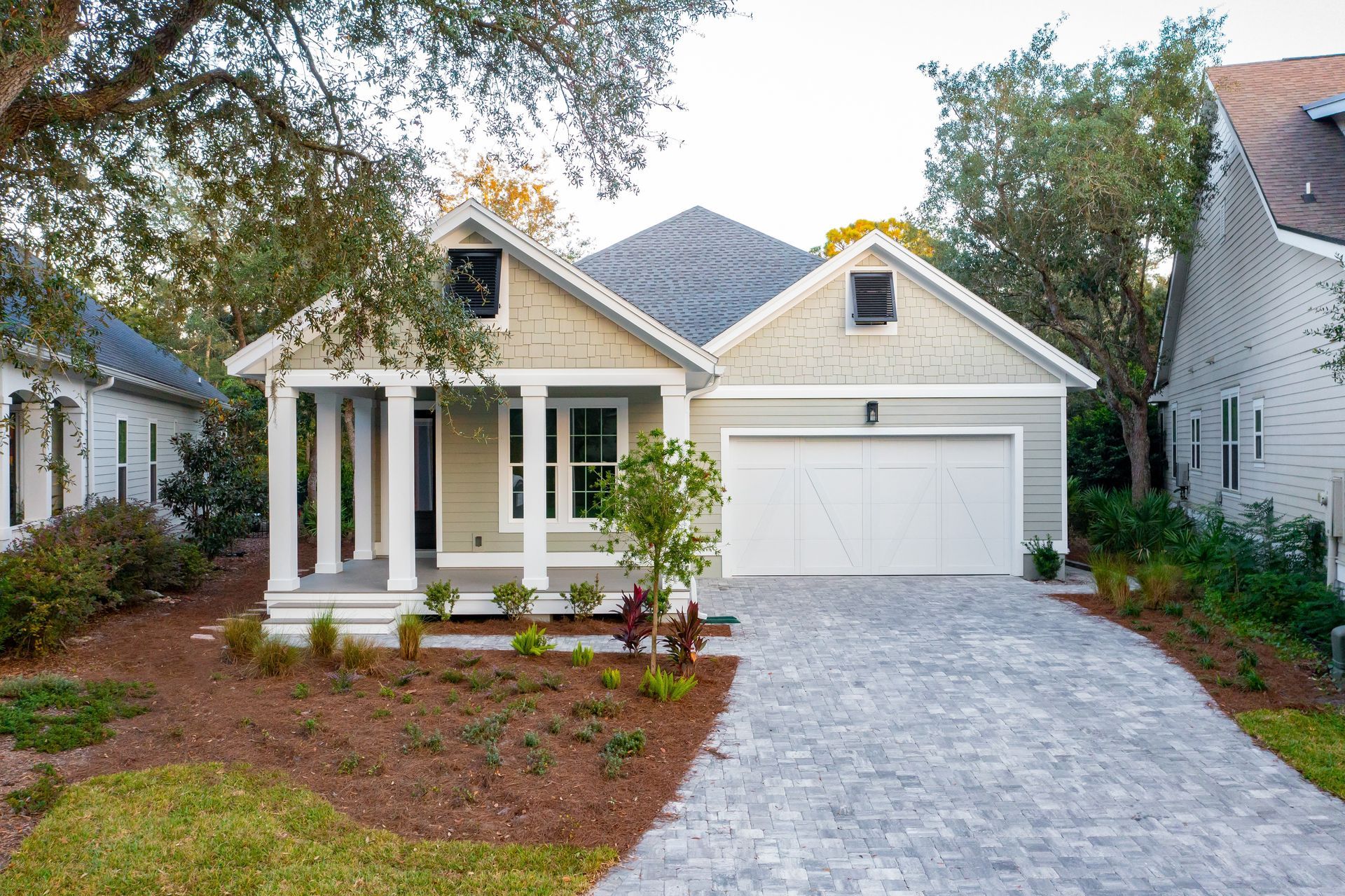
What Proper Installation Requires
Proper driveway construction depends on excavating to a consistent depth and removing organic material that compresses under load. A stable base prevents the surface from sinking or developing ruts where vehicles track repeatedly. You'll notice that a well-graded driveway sheds water quickly and maintains a firm surface even after heavy rain, with minimal stone displacement or soft spots.
After the base is compacted and graded, the surface layer is spread evenly and rolled to density. This creates a driveway that supports vehicle weight without flexing or allowing tires to sink. The grade established during installation determines how well the driveway drains over time, with even a slight slope preventing standing water that weakens the base and accelerates surface degradation.
New driveway installation does not include ongoing maintenance such as gravel replenishment or regrading, which become necessary as traffic and weather gradually displace material. The initial compaction and grading extend the interval before maintenance is required, but all gravel driveways experience some surface wear over time.
Answers to Frequent Service Questions
Driveway installation decisions involve material choices, grading requirements, and understanding how construction affects long-term performance.
What type of gravel works best for residential driveways?
Crushed stone with angular edges compacts more effectively than rounded gravel, creating a stable surface that resists rutting and displacement under vehicle traffic.
How is drainage established during installation?
The driveway is graded with a slight crown or slope so water runs off to the sides rather than pooling on the surface or running down the center, which causes erosion channels.
When is the best time to install a new driveway?
Dry weather allows for better compaction and prevents mud from mixing with base material, making late spring through early fall preferable in Manson for driveway construction.
How deep does the base need to be for a gravel driveway?
Depth depends on soil stability and expected traffic, but most residential driveways require four to six inches of compacted base stone topped with two to three inches of surface gravel.
What ongoing maintenance should I expect after installation?
You'll need to replenish surface gravel periodically as traffic displaces material, and occasional regrading may be necessary if drainage patterns change or ruts develop in high-traffic areas.
Skram Hydro Seeding and Land Management grades and constructs driveways using compacted stone and proper drainage design. Schedule an on-site evaluation to review access requirements and soil conditions for your new driveway project.