
Ground Shaped for Proper Drainage and Use
Grading & Leveling in Manson for properties with standing water, uneven surfaces, and slope problems affecting construction or lawn establishment
Standing water after rain indicates that property grading does not direct runoff away from structures or toward drainage points. Skram Hydro Seeding and Land Management reshapes soil surfaces to establish slopes that prevent pooling, prepare sites for driveways or lawns, and correct grades that allow water to flow toward foundations. Properties with low spots, improper slopes, or uneven terrain from previous excavation require grading to function correctly and support intended use without ongoing drainage problems.
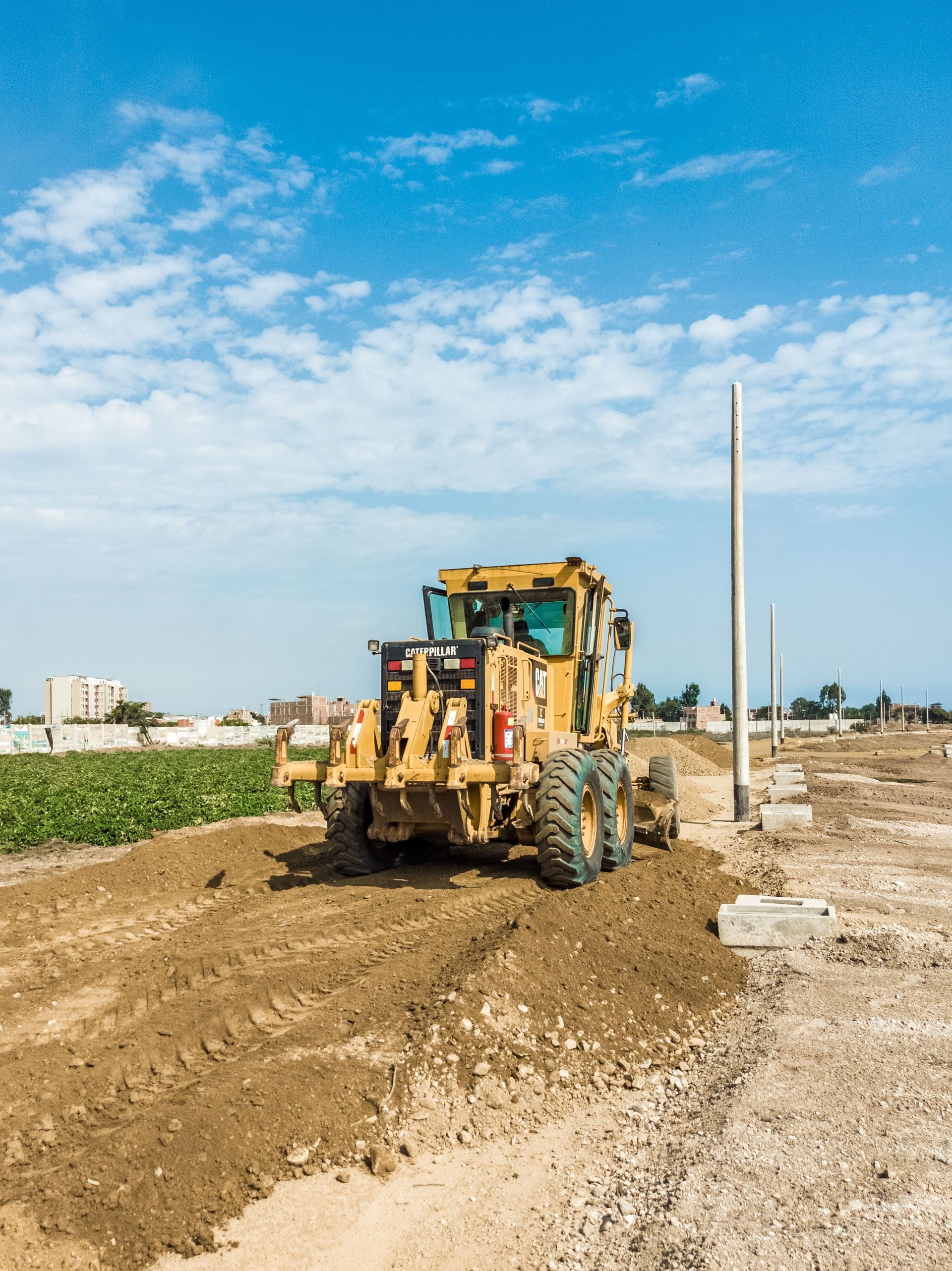
The grading process involves moving soil to create consistent slopes, filling depressions where water collects, and compacting disturbed areas to prevent settling. Equipment reshapes the surface according to a grade plan that directs water away from buildings and toward appropriate drainage routes, whether swales, ditches, or natural runoff areas. Proper grading also levels building pads, driveway paths, and lawn areas to eliminate the uneven surfaces that cause mowing difficulty or prevent uniform grass growth.
Arrange a site consultation to identify drainage issues and review grading requirements for your property.
Why Slope Correction Works for Drainage
Correct grading establishes a consistent fall that moves water across the surface faster than it can infiltrate, preventing the saturation that creates soft spots and erosion channels. You'll see water sheet off graded areas during rain rather than pooling in depressions or running toward structures. The reshaped surface also eliminates the uneven ground that complicates construction, causes equipment to bog down, or creates tripping hazards in high-traffic areas.
Once grading is complete, lawn installation or driveway construction can proceed on a surface that won't settle unevenly or develop new low spots as soil compacts. The established slope prevents the standing water that delays planting, damages foundations, or turns yard areas into mud during wet weather in Manson. Graded surfaces also simplify ongoing maintenance by eliminating the irregular terrain that makes mowing difficult or causes water to redirect unpredictably.
Grading addresses surface elevation and slope but does not include subsurface drainage systems such as French drains or catch basins, which may be necessary if soil conditions prevent adequate surface runoff. Site preparation may also require soil amendment or stabilization after grading if the exposed surface lacks structure for planting or construction.
What Property Owners Usually Ask
Grading projects raise questions about how slopes are determined, what happens to existing landscaping, and how grading integrates with other site work.
What slope is necessary to prevent water pooling?
A minimum fall of two percent, or about one-quarter inch per foot, is typically required to move water off surfaces effectively without creating erosion from excessive velocity.
How does grading affect existing trees or landscaping?
Grading work near trees can damage root systems or change soil elevation around trunks, so existing vegetation may need protection or removal depending on grade changes required.
When should grading occur relative to other site work?
Grading should happen after land clearing and before driveway installation, lawn seeding, or construction to provide a stable, properly sloped surface for subsequent work.
What equipment is used for residential grading projects?
Skidsteers and box blades handle most residential grading, with larger equipment required for extensive cuts, fills, or properties with significant elevation changes.
Does grading eliminate all drainage problems?
Surface grading corrects runoff issues caused by improper slopes, but properties with high water tables, compacted clay soils, or large watershed areas may require subsurface drainage in addition to surface grading.
Skram Hydro Seeding and Land Management provides property grading, land leveling, and slope correction for residential sites requiring drainage improvements or site preparation. Schedule a property assessment to determine grading needs and develop a plan that addresses your specific drainage or construction requirements.